
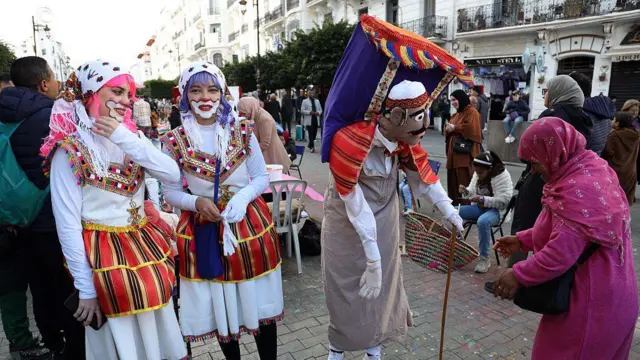
Across North Africa, Amazigh communities have welcomed the year 2976 with vibrant ceremonies and cultural showcases marking Yennayer, the Amazigh New Year. The occasion is celebrated with colour, music, and tradition, reflecting a heritage that has endured for generations.
Yennayer is observed each year around January 12 or 13, varying slightly by region. It is a deeply meaningful event that unites families and communities in honour of Amazigh identity, history, and long-standing cultural practices passed down through centuries.
Rooted in the traditions of ancient Amazigh societies, the celebration is closely tied to agricultural life. Historically, Yennayer signalled the start of a new agricultural season, underscoring the close relationship between Amazigh communities, the land, and natural cycles that shaped daily life.
For many, the New Year represents renewal and optimism, symbolising hopes for fertility, abundance, and good fortune in the months ahead. It also serves as a moment for elders to pass on cultural values, customs, and stories, ensuring that Amazigh traditions remain alive among younger generations.
The Amazigh calendar, which forms the basis of the Yennayer celebration, is a solar-based system developed in ancient times to structure seasonal activities and farming practices. Its continued use reflects the deep environmental awareness embedded within Amazigh culture.
Celebrations often revolve around family meals featuring traditional dishes such as couscous with assorted vegetables, homemade breads, and regional specialties. Public festivities in towns and villages may include traditional dances, music performances, craft displays, and cultural programmes highlighting the Amazigh language and historical legacy.
In countries such as Morocco and Algeria, Yennayer has gained official recognition as a public holiday, marking an important step in acknowledging and promoting Amazigh culture at the national level.
Cultural advocates view Yennayer as a vital expression of living heritage—one that preserves collective memory, strengthens community ties, and reinforces a shared sense of identity. Beyond its symbolic meaning, the celebration continues to bring people together, fostering unity and cultural pride across generations.



No Comments
Join the DiscussionBe the first to join the discussion!