Stakeholders and environmental experts have emphasized the urgent need to address soil degradation, drought, and desertification, warning that these threats jeopardize food security, climate mitigation, and adaptation efforts.
A report addressing these challenges was presented to Pan-African Parliament (PAP) members by the Committee on Rural Economy, Agriculture, Environment and Natural Resources during the Fifth Ordinary Session. The session, held under the African Union theme, “Justice for Africans and Persons of African Descent Through Reparations and The State of Human Rights in Africa,” found that while Africa possesses some of the world’s most fertile soils, poor management and neglect leave them vulnerable.
The committee aims to ensure legal coherence, practicality, and alignment with continental policy frameworks on sustainable soil management. Its proposed Model Law on Sustainable Soil Management seeks to establish a regulatory framework to promote soil conservation, sustainable land use, climate-resilient agricultural practices, and the protection of Africa’s limited natural resources that underpin food security and ecosystems.
Hon. Garry Sakata, Chairperson of the committee, stressed that Africa’s fertile soils remain at risk despite their potential for agriculture. “The Model Law on Soil Management seeks to make Africa’s soil serve present and future generations, aligning with the AU’s Agenda 2063,” he said, highlighting the need to integrate scientific and traditional systems to reflect Africa’s diversity.
Another report, on predatory mining and promoting ethical resource governance, was presented by H.E. Bridgette Motsepe. She highlighted Africa’s paradox of being mineral-rich but ownership-poor, noting that corporations manipulate intra-company pricing to avoid taxes, resulting in billions of dollars in annual losses. She urged the adoption of binding legislation, transparency tools, and policies like Section 26 of South Africa’s Mineral and Petroleum Resources Development Act, which requires beneficiation before export.
Motsepe also called for skills transfer, local manufacturing, infrastructure development, Special Economic Zones, and investment incentives to transform Africa’s raw materials into high-value exports.
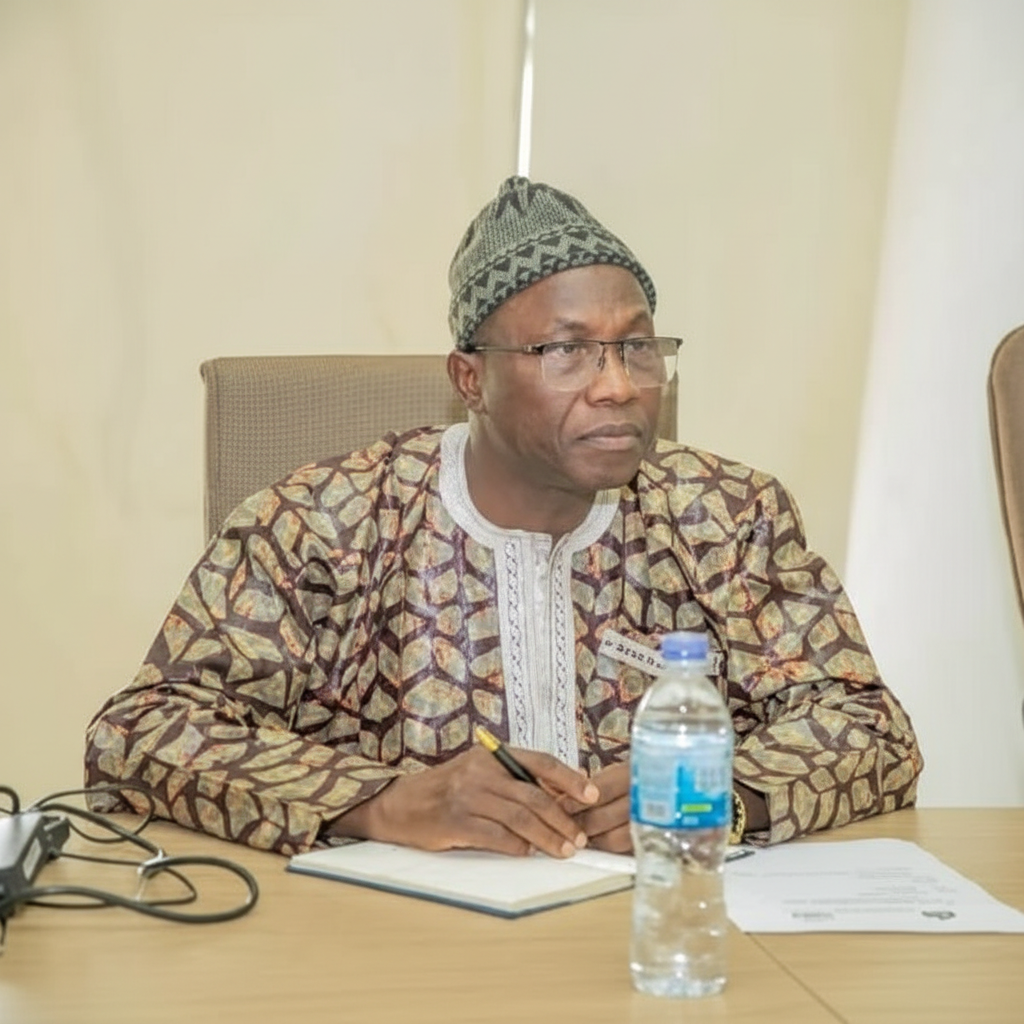
Following these presentations, PAP developed resolutions on sustainable soil management and ethical resource governance, including the adoption on first reading of the Model Law on Sustainable Soil Management. The final report from the Fifth Ordinary Session was subsequently tabled before the Gambian Parliament by Hon. Suwaibou Touray, member of the Gambian delegation to PAP, and was unanimously adopted by Gambian lawmakers.
By Bakary Touray Jr.



No Comments
Join the DiscussionBe the first to join the discussion!