
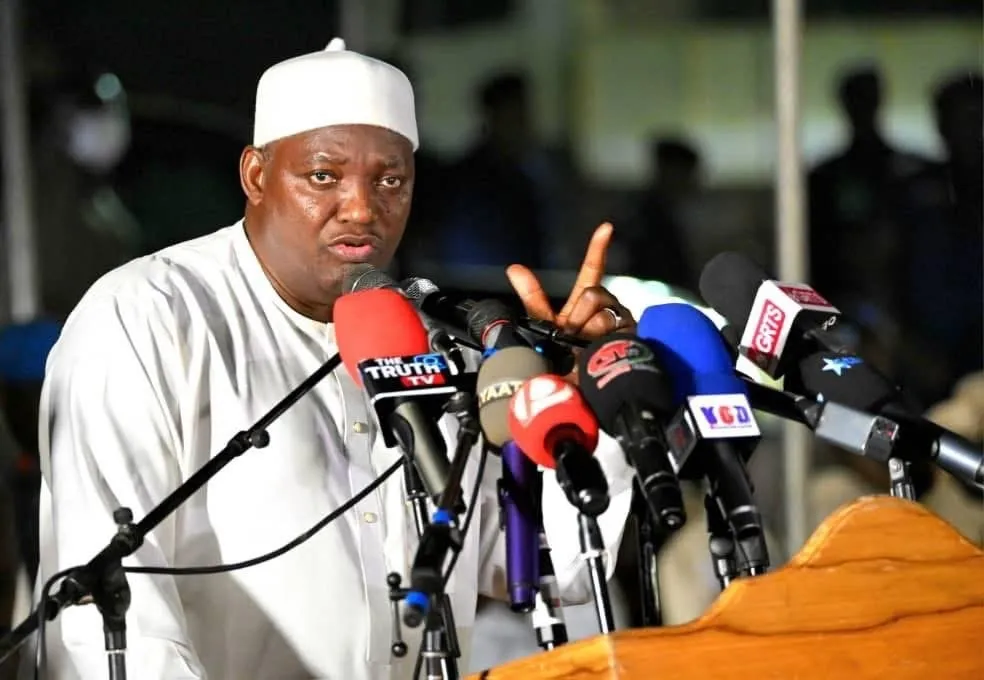
President Adama Barrow has announced that The Gambia is on course to achieve universal electricity access by the end of 2026, four years ahead of the global 2030 target.
Barrow made the announcement during the inauguration of electricity access projects in Njongon, in the North Bank Region, stating that 719 communities across the country now have access to affordable electricity.
Of the newly electrified communities, 209 are located in the North Bank Region and 157 in the Central River Region.
The projects form part of a broader government initiative aimed at expanding reliable power supply nationwide, a move officials describe as a major milestone in the country’s infrastructure development.
According to the president, the nationwide electrification programme has increased electricity coverage from 73 percent to about 90 percent, placing the country firmly on track to achieve universal access by 2026.
Barrow said the initiative reflects the government’s commitment to accelerating development, particularly in rural areas that have historically lacked basic infrastructure.
He noted that limited electricity access remains a major constraint to economic growth across Africa, affecting more than 650 million people on the continent.
The president said expanded electricity access would power homes, schools, health facilities, and businesses, improving living standards and creating new economic opportunities for rural communities.
The electrification projects were implemented in partnership with international development institutions, including the World Bank, the European Union, the European Investment Bank, and the Economic Community of West African States (ECOWAS).



No Comments
Join the DiscussionBe the first to join the discussion!