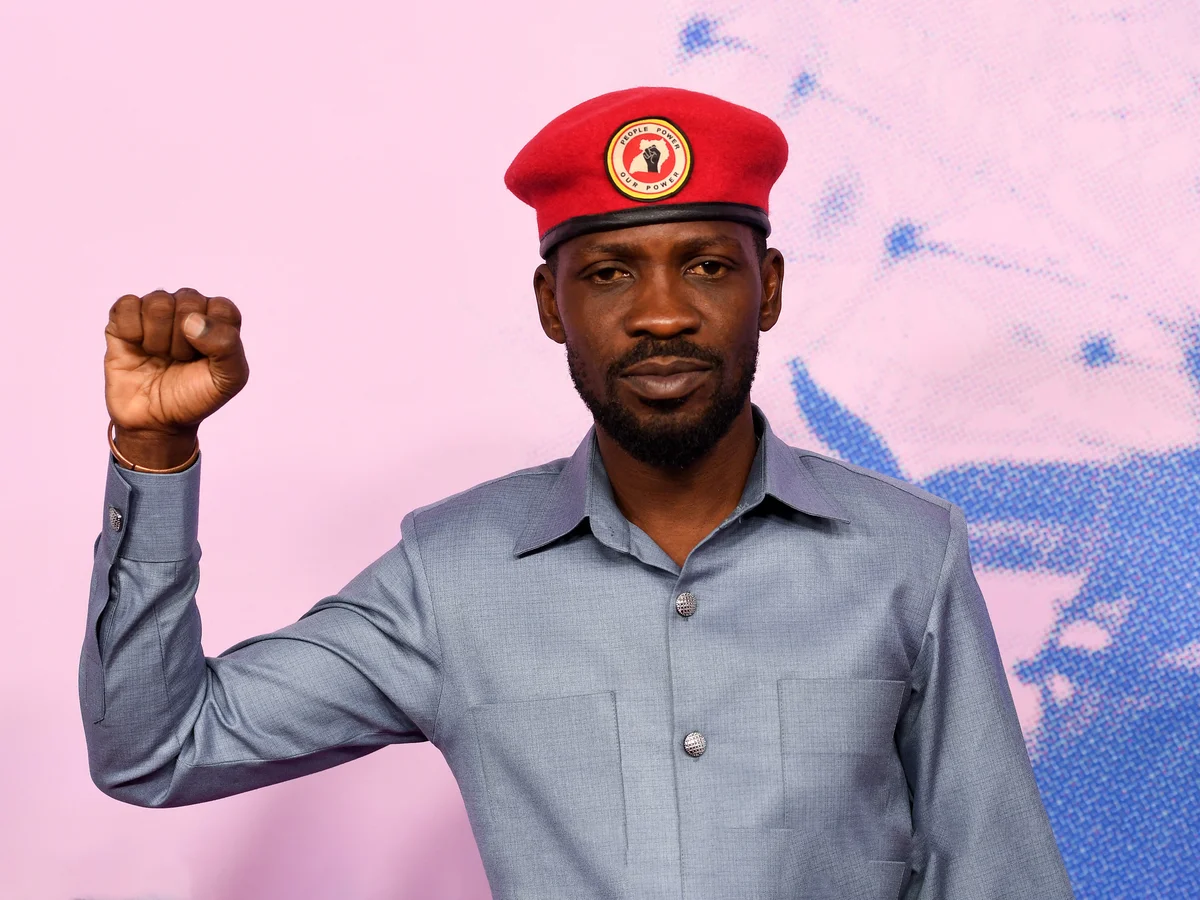
Major challenger and president of the National Unity Platform (NUP), Robert Kyagulanyi, widely known as Bobi Wine, has formally addressed the European Parliament following Uganda’s 2026 general elections, describing the electoral process as a “military operation.” He urged the European Union to impose targeted sanctions on key government officials.
Speaking remotely, Wine framed his remarks as both a briefing on post-election developments and an appeal for decisive international action.
Framing the EU-Uganda Relationship
Kyagulanyi began by thanking the European Parliament for what he described as sustained attention to Uganda’s political trajectory and its recent resolution on the country. He underscored that the European Union remains an important development partner but argued that engagement should prioritize Uganda’s citizens rather than what he termed “General Museveni’s illegitimate military regime.”
The comments were a direct reference to President Yoweri Museveni, who has been in power since 1986.
“Not an Election, But a Military Operation”
Central to Kyagulanyi’s address was his characterization of the January 15, 2026 polls as fundamentally flawed.
He alleged that the electoral period was marred by violence, intimidation, and systematic suppression. Among the incidents cited were the deaths of opposition supporters, including one identified as Macho. He also referenced public statements attributed to Muhoozi Kainerugaba, the President’s son and a senior military officer, who reportedly claimed responsibility for killings during the electoral period.
Kyagulanyi further highlighted a nationwide internet shutdown imposed three days before voting, arguing that it severed communication between polling stations and the broader public. He also claimed that media houses were instructed not to broadcast live election results, creating what he described as a “disconnect” between events at polling stations and official tallies.
Allegations of Ongoing Persecution
At the time of his address, Kyagulanyi stated that he was in hiding due to threats to his life. He reported that his residence had been raided in January and remained occupied by security forces and that members of his family had been assaulted.
He also alleged that two NUP deputy presidents and several party coordinators were abducted and detained in military barracks for weeks without due process.
In explaining why NUP had not pursued legal redress, Kyagulanyi asserted that the judiciary lacked independence. He cited the swearing-in of Chief Justice Dr Flavian Zeija at the President’s “private farm” as symbolic of institutional compromise, arguing that the courts could not impartially adjudicate electoral disputes.
Direct Appeals to the European Union
Kyagulanyi’s address culminated in three principal requests to the European Union:
1. Targeted Sanctions
He called for travel bans, asset freezes, and legal sanctions against specific officials implicated in human rights violations. He emphasized that such measures should be directed at individuals rather than the Ugandan state, to avoid broader economic harm to citizens.
2. Conditional Aid
Kyagulanyi urged that any financial assistance or development cooperation with Uganda be strictly conditioned on measurable progress in democracy, rule of law, and respect for human rights.
3. Diplomatic Recalibration
He criticized what he described as public displays of solidarity between foreign diplomats and Ugandan officials accused of abuses. According to Kyagulanyi, such engagements risk legitimizing impunity and undermining pro-democracy efforts.
A Post-Election Diplomatic Offensive
Kyagulanyi’s address represents a strategic internationalization of Uganda’s post-election dispute, shifting the contest from domestic legal institutions to multilateral platforms. By appealing directly to the European Parliament, he sought to frame Uganda’s 2026 electoral aftermath not merely as a national controversy but as a matter of international democratic concern.
The Ugandan government has previously defended its electoral processes as lawful and constitutional, rejecting opposition claims of systemic manipulation.
As diplomatic conversations evolve in Brussels and beyond, the extent to which the European Union will recalibrate its engagement with Kampala remains to be seen.



No Comments
Join the DiscussionBe the first to join the discussion!