
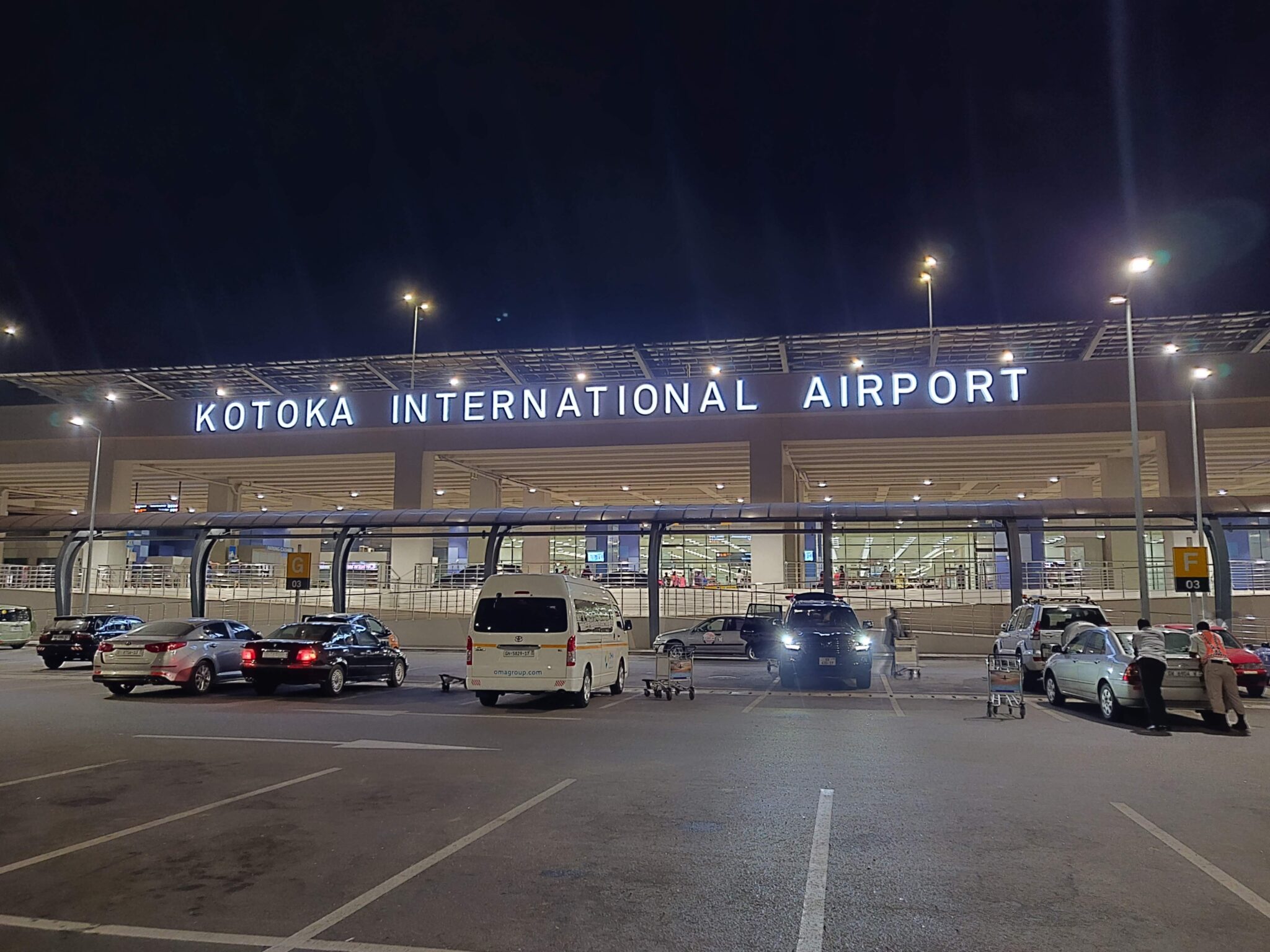
Ghanaian authorities have officially restored the name of Kotoka International Airport to its original designation, Accra International Airport.
In a statement issued on Monday, the Ministry of Transport said the decision followed a review which concluded that the airport’s former name better reflects its historical identity and international recognition.
“The facility was originally known as Accra International Airport before its redesignation. The government considers it appropriate to restore the airport to its former and internationally recognised name,” the statement read.
The Ministry assured the public, industry stakeholders and international partners that the change would not disrupt airport operations, safety standards or travel arrangements.
It noted that under the records of the International Civil Aviation Organization (ICAO), the airport code remains “ACC”, meaning the renaming does not affect global aviation identifiers.
According to the Ministry, implementation will involve a phased update of official documents, statutory instruments where required, airport signage, digital platforms, aviation publications and other communication materials.
Authorities called on the public and relevant stakeholders to cooperate fully to ensure a smooth transition process.
The government also expressed appreciation for continued support as the changes take effect.
The name “Kotoka International Airport” has long sparked debate, as it honours Lt. Gen. Emmanuel Kwasi Kotoka, a senior military officer who played a leading role in the 1966 coup that overthrew Ghana’s first President, Kwame Nkrumah.
Local media reports indicate that February 24, 2026, marks exactly 60 years since the overthrow of Nkrumah.
The airport, which opened in 1958 as Accra International Airport, was renamed in Kotoka’s honour in 1969, three years after he was killed during an attempted counter-coup at what is now the airport’s forecourt.
Critics of the name have argued that commemorating a coup figure at the country’s main international gateway sends the wrong signal about Ghana’s democratic evolution and overlooks a complex chapter in its political history.



No Comments
Join the DiscussionBe the first to join the discussion!