
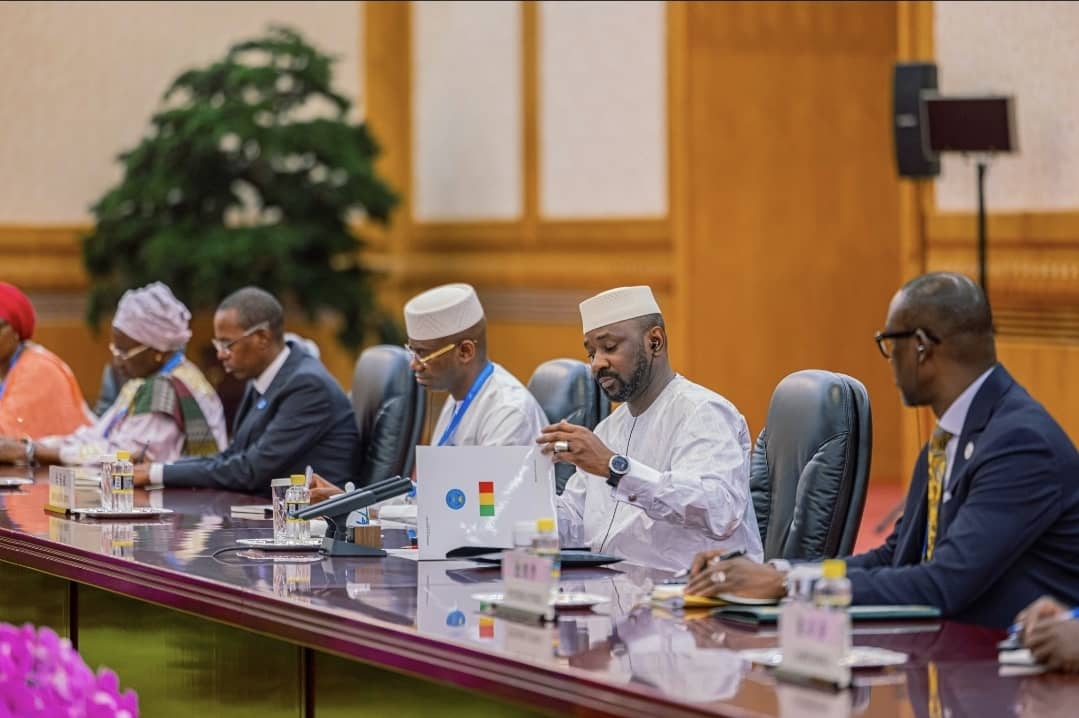
Malian authorities have announced a new economic directive placing national companies and domestically manufactured products at the center of state procurement policy.
The move forms part of broader reforms under transitional President Assimi Goïta aimed at strengthening economic self-reliance.
In a statement addressed to the Minister of Economy and Finance, Alousseni Sanou, the government outlined revised procedures for the execution of public contracts, with explicit preference to be granted to Malian small and medium-sized enterprises (SMEs) and locally produced goods.
Under the new measures, ministerial offices will be equipped with furniture designed and manufactured in Mali. Government institutions are also expected to prioritize the consumption of locally produced food items, including tea, juices processed domestically, and natural beverages. Hygiene and maintenance products manufactured by Malian industrial units will similarly receive priority consideration.
Each ministry will be required to allocate 100 million CFA francs in its 2026 budget specifically for purchases directed toward the national market.
Authorities say the policy is aligned with recommendations from recent national consultations that emphasized the need to build a more resilient and less import-dependent economy.
Officials expressed confidence that redirecting public expenditure toward local enterprises will transform state procurement into a catalyst for growth. Given that public procurement accounts for a substantial share of national financial flows, the government believes prioritizing domestic suppliers will directly support employment, encourage industrialization, strengthen SME competitiveness, and promote the circulation of wealth within the country.
Under the new framework, each contract awarded to a Malian company is viewed not only as an economic transaction but also as a strategic tool for national development.



No Comments
Join the DiscussionBe the first to join the discussion!