
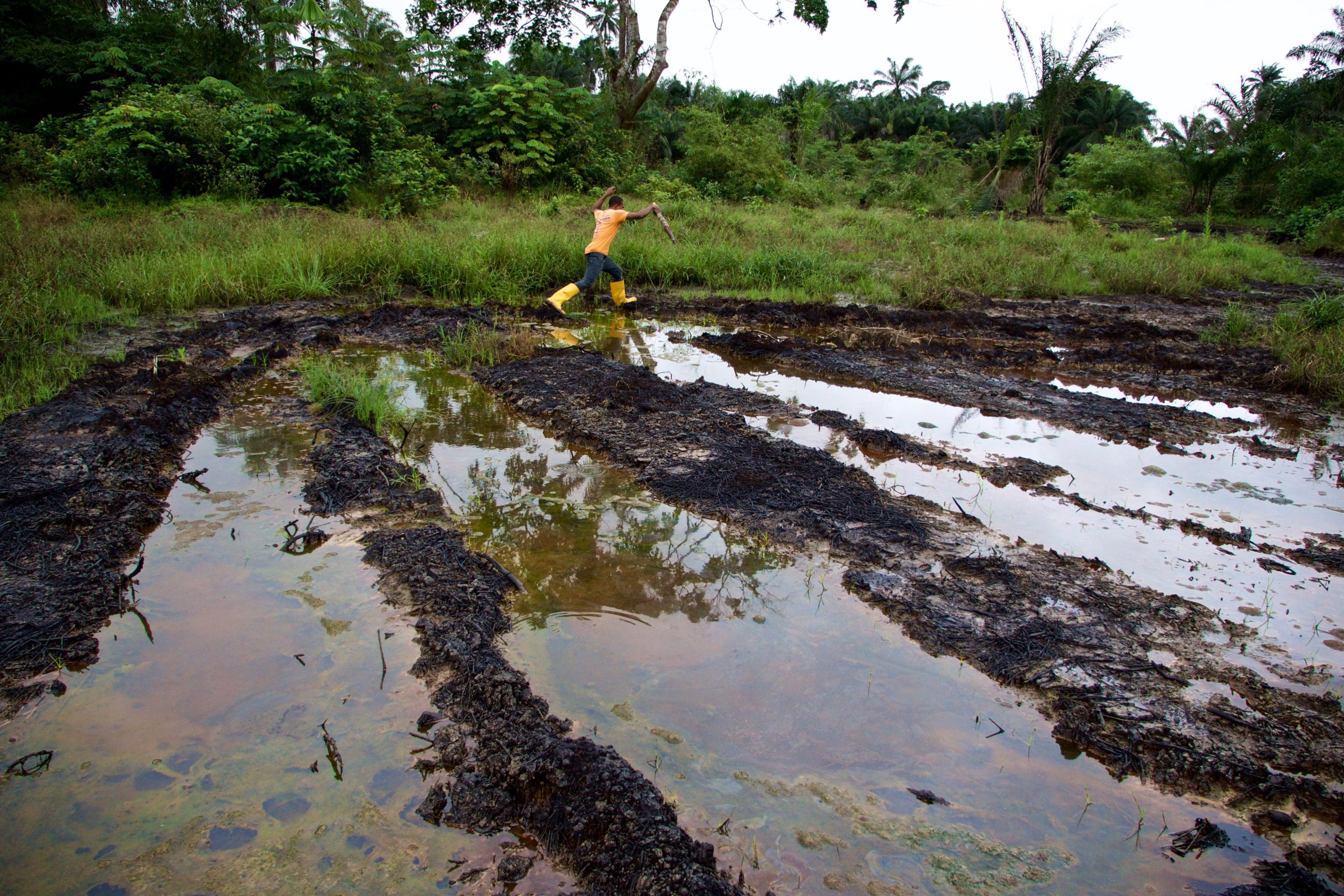
The World Health Organization (WHO) has launched a critical health assessment in Ogoniland, Rivers State, Southern Nigeria, to investigate illnesses linked to decades of oil pollution.
The study, targeting 4,000 residents, seeks to establish a correlation between long-term exposure to hydrocarbons and adverse health outcomes. It is being conducted by the International Agency for Research on Cancer (IARC), a specialized WHO agency.
Commissioned by the Hydrocarbon Pollution Remediation Project (HYPREP), the study began in mid-2025 with desk reviews, mapping, and baseline research, and is expected to span nearly three years. HYPREP Project Coordinator Professor Nenibarini Zabbey described the assessment as a “critical component” of implementing recommendations from the United Nations Environment Programme (UNEP) report on Ogoniland.
Michael Cowing, lead researcher of the 2009–2011 UNEP environmental study, said one key recommendation was a detailed health evaluation of the Ogoni population. “This study will provide the data needed to understand and address the long-term health impacts of oil pollution,” he added.
The investigation follows decades of oil spills that have contaminated water and soil, trapping residents in a cycle of environmental and health crises.
Nigeria, Africa’s largest oil producer, generates over 1.45 million barrels per day, with proven reserves exceeding 37 billion barrels, primarily in the Niger Delta and increasingly offshore.



No Comments
Join the DiscussionBe the first to join the discussion!