
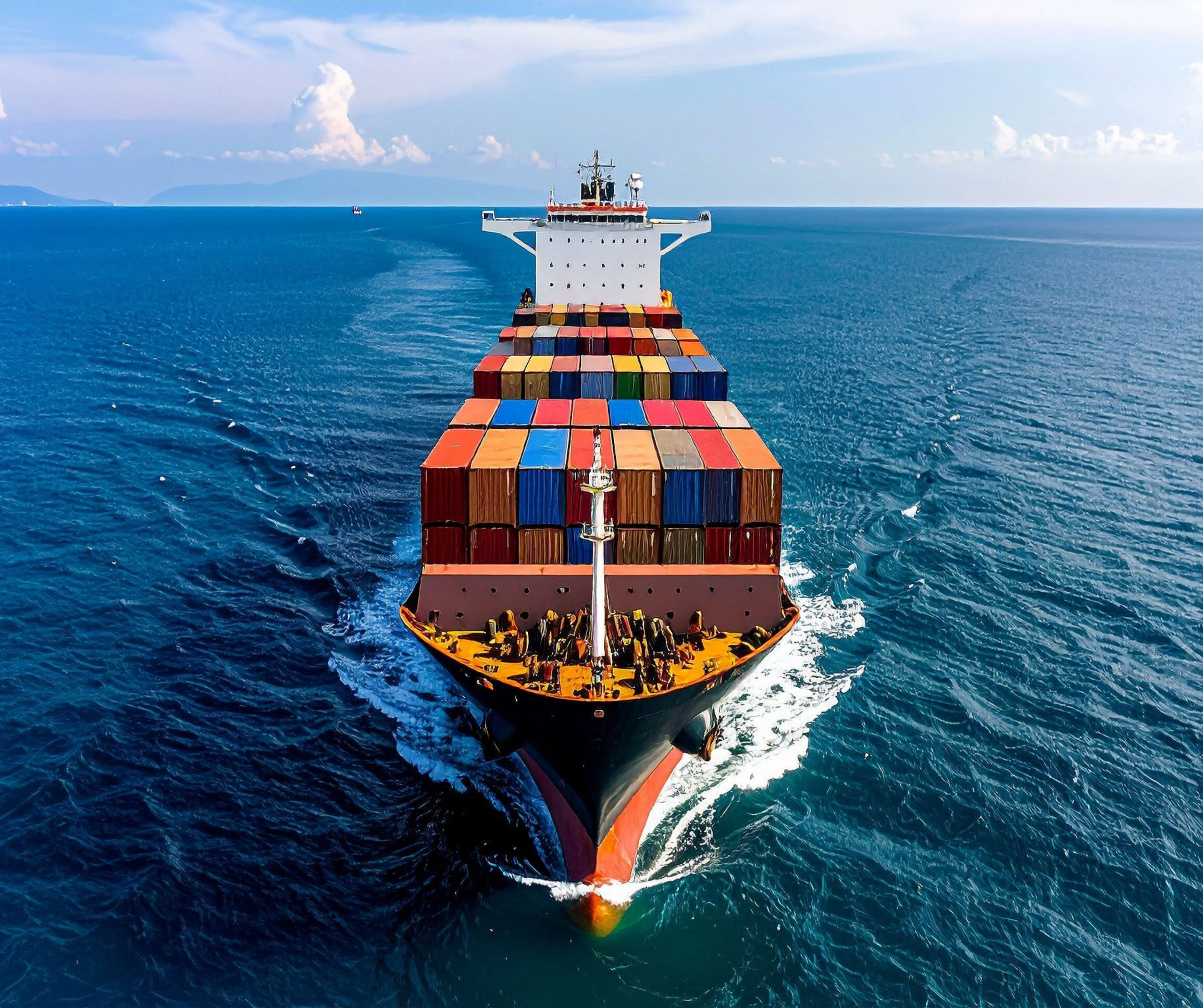
Africa’s coastlines are emerging as a safer alternative for global shipping companies as vessels reroute following the escalating conflict in the Middle East.
Several major shipping companies have suspended transit through the Strait of Hormuz, one of the world’s most critical maritime corridors, which handles roughly 30 percent of global oil shipments.
Tehran, which controls the strait’s northern coastline, had in recent days signalled its intention to restrict international shipping in the area.
The disruption could have serious economic implications, particularly for major regional business hubs such as Dubai, which relies heavily on trade, tourism, transport, and financial services.
Tensions escalated after the United States and Israel launched airstrikes on targets in Iran over the weekend, prompting retaliatory military responses from Tehran and disrupting one of the world’s busiest maritime corridors.
Iran subsequently moved to close the Strait of Hormuz to international shipping, forcing many vessels to seek alternative routes around Africa until the crisis subsides.
Global markets have reacted sharply to the developments, with oil prices surging while stock markets declined amid fears of prolonged instability.
The conflict intensified after strikes by the United States and Israel reportedly killed Iran’s Supreme Leader, Ali Khamenei.
Iran has since launched hundreds of missiles and drones targeting locations across the Gulf, including the United Arab Emirates, Saudi Arabia, Oman, Bahrain, Kuwait and Qatar, forcing the suspension of several flights and heightening regional security concerns.
Analysts warn that prolonged disruption to maritime traffic could trigger wider consequences for global supply chains and energy markets.



No Comments
Join the DiscussionBe the first to join the discussion!