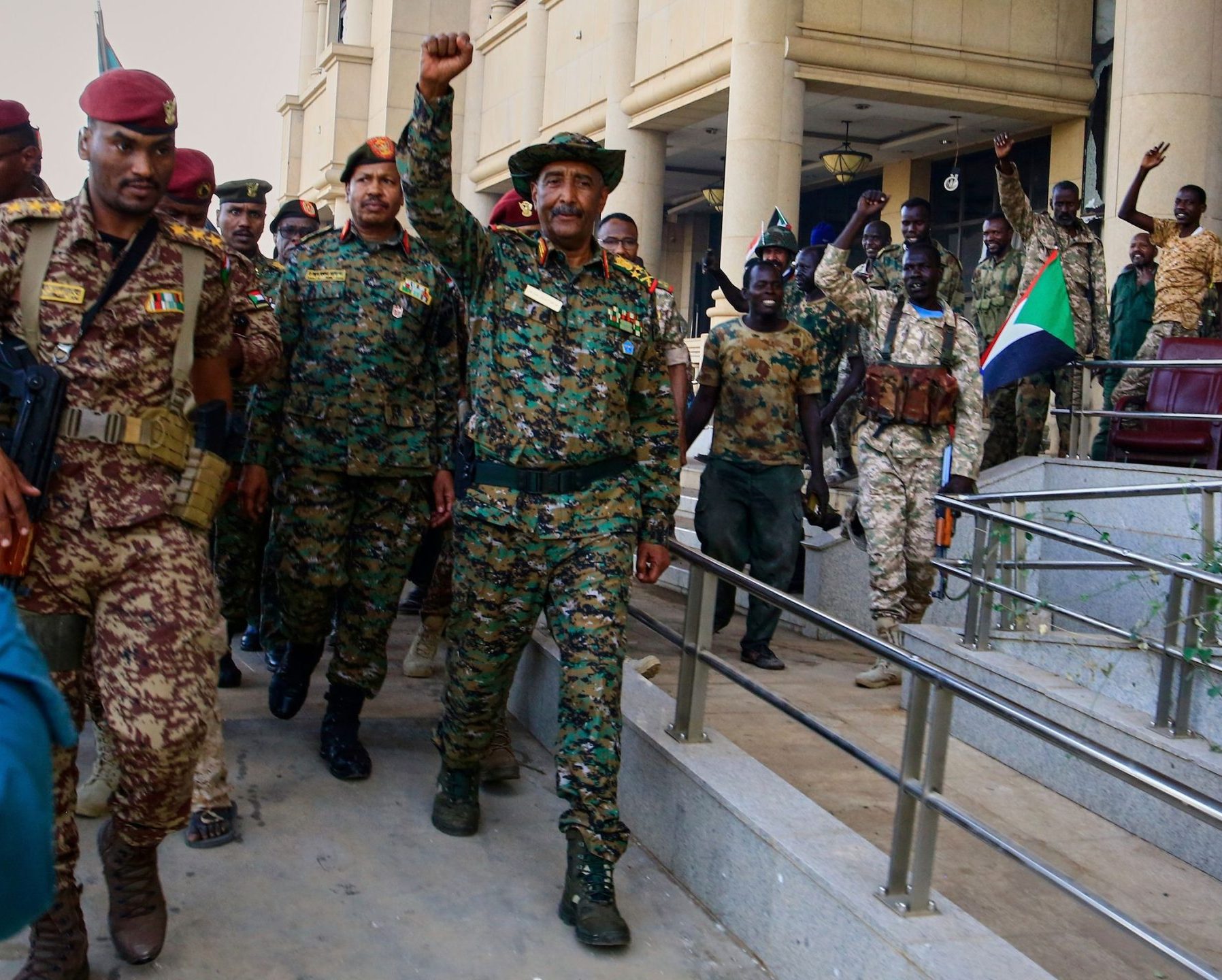
Sudan’s government has pledged to restore security and improve living conditions across the country following its return to Khartoum for the first time since war erupted in April 2023.
Prime Minister Kamel Idris made the commitment after arriving in the capital from Port Sudan, which had functioned as the seat of government during the conflict between the Sudanese army and the paramilitary Rapid Support Forces (RSF).
Addressing residents, Idris described the government’s return as a critical moment in Sudan’s recovery and expressed hope that the period ahead would mark a transition toward peace and stability.
He said the government would prioritise the rehabilitation of essential public services, including the rebuilding of hospitals and the restoration of schools and universities. Particular attention, he noted, would be given to reviving the University of Khartoum, one of the country’s most prominent institutions.
Turning to economic policy, the Prime Minister said the 2026 national budget had been submitted without introducing additional financial pressures on citizens. He added that the government aims to curb inflation, setting a target of reducing the rate to 70 per cent. Official figures released in November placed inflation at 74.2 per cent.
Idris also outlined plans to stimulate economic recovery by raising gross domestic product growth to 10 per cent and narrowing the gap between official and parallel market exchange rates, measures he said were essential to stabilising the economy.
The government’s return follows recent military developments in the capital. On May 21, the Sudanese army announced it had regained full control of Khartoum after clashes in the Salha district south of the city, declaring the capital free of RSF presence.
In July last year, the head of Sudan’s Sovereign Transitional Council, Abdel Fattah al-Burhan, ordered the formation of a national committee to facilitate the urgent return of state institutions and residents to the capital.
Despite the army’s advances, control of the country remains divided. Armed groups aligned under the Sudanese Revolutionary Forces retain control of most of the Darfur region in western Sudan, with limited areas of North Darfur still under army authority.
The military, meanwhile, holds most of the remaining states across the north, south, east and central parts of the country, including Khartoum.
Sudan’s conflict, triggered by a power struggle over the integration of armed forces, has deepened one of the world’s worst humanitarian crises. Since fighting began, tens of thousands of people have been killed, and millions have been forced from their homes.



No Comments
Join the DiscussionBe the first to join the discussion!