

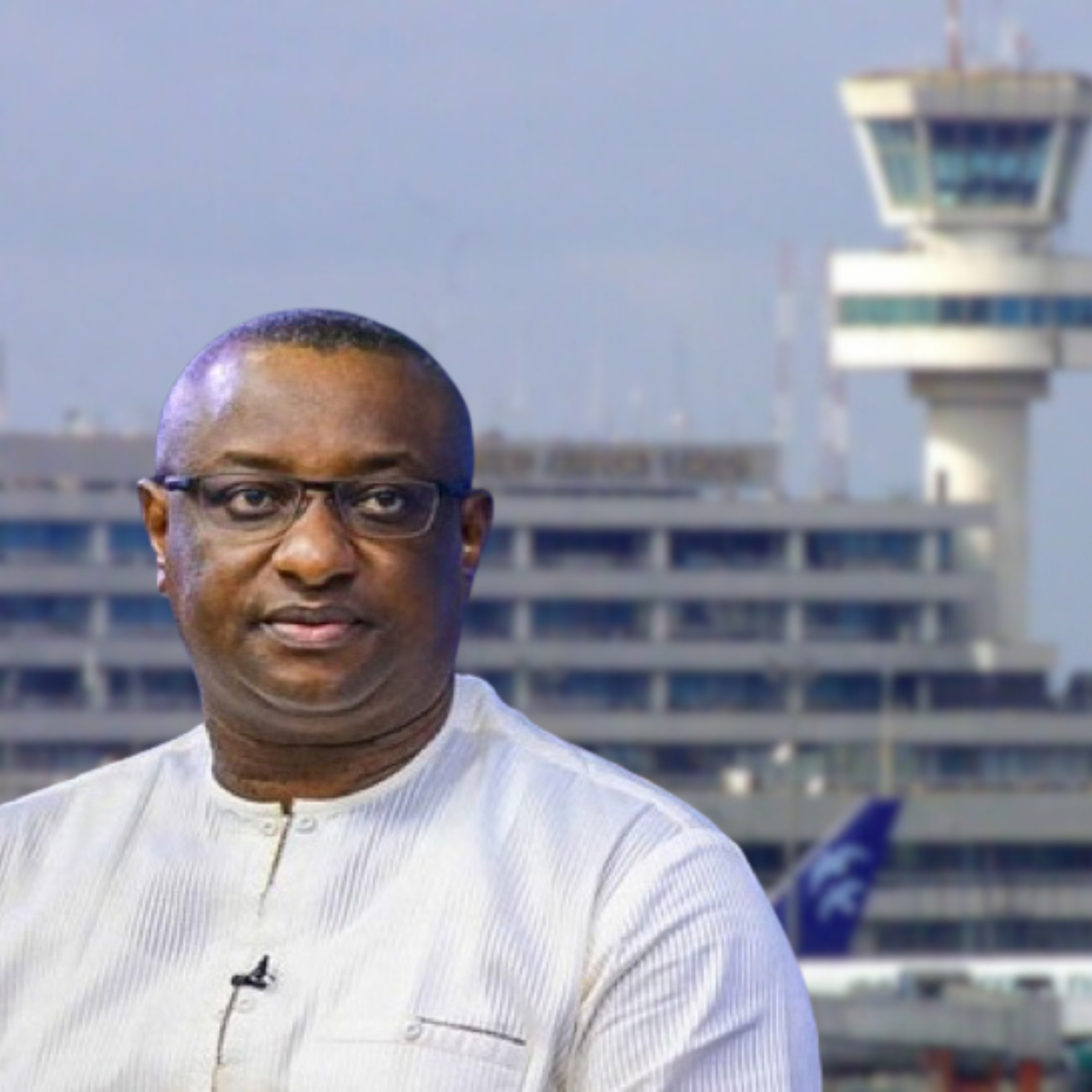
The Nigeria government has allocated N7.46 billion to enhance safety standards and operational efficiency across the country’s aviation sector, signalling renewed investment in technology, workforce development, and institutional reform.
Details contained in the 2026 Appropriation Bill show that the allocation, overseen by the Ministry of Aviation and Aerospace Development, will support the modernisation of internal systems, including automation of administrative processes, digital registry services, library upgrades, and improved performance management tools.
Planned initiatives include the deployment of a hybrid audio-visual conferencing system, digitisation of ministry libraries, enterprise content management solutions, and the creation of a centralised statistical database to strengthen data-driven planning and support sustainable development objectives. Funding has also been set aside for staff welfare, skills development, and innovation programmes.
According to budget breakdowns cited by local media, N50 million has been allocated for legal research tools and arbitration resources, while N100 million is reserved for specialised aviation operations training. An additional N50 million will be used for the acquisition of Fargo ID card printers and collaborative partnership initiatives.
A significant portion of the budget focuses on infrastructure development, with more than N5 billion committed to the construction of a new corporate headquarters and staff residential facilities, reflecting efforts to reinforce the ministry’s long-term institutional capacity.
Safety enhancement and international collaboration also feature prominently. The government has set aside N3 billion for the development of an aerospace university, N250 million to support Bilateral and Multilateral Air Services Agreements, and N100 million for advanced training of air traffic controllers, meteorologists, and other aviation professionals.
In the area of digital transformation, N800 million has been allocated for ICT upgrades, including artificial intelligence applications and improved Wi-Fi connectivity across airports nationwide.
Additional funding lines include N300 million for consultancy services linked to public-private partnership projects and airport concessions, N200 million for office equipment and general services, and N150 million to support annual aviation trade union engagements. The budget also provides N500 million for feasibility studies and master plans for five international airports.
It is expected that the allocation will position Nigeria as a more competitive and resilient air transport hub, underscoring the government’s broader strategy to strengthen aviation safety and modernise infrastructure.



No Comments
Join the DiscussionBe the first to join the discussion!