

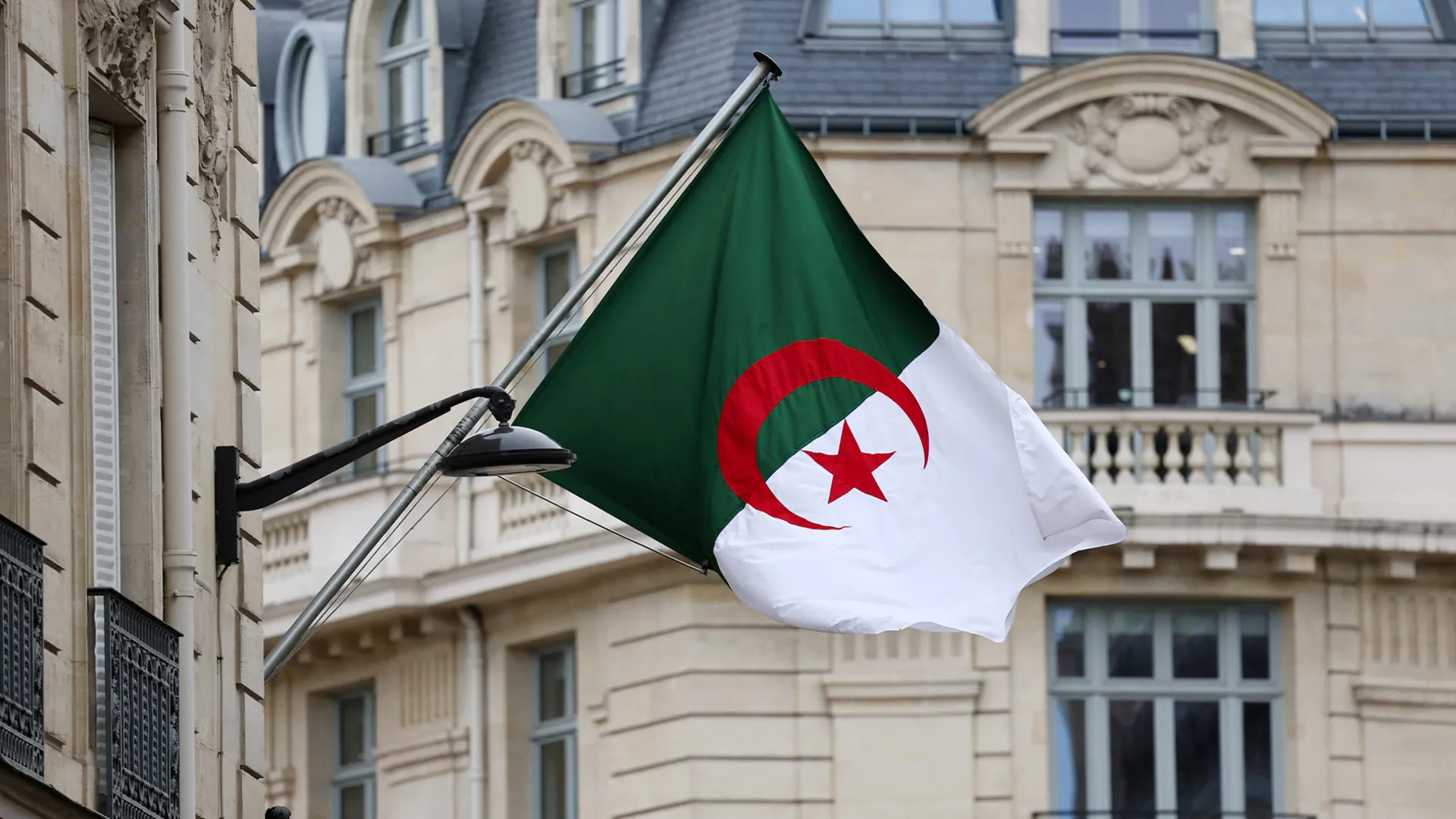
The Algerian Senate has rejected 12 articles of a proposed law aimed at criminalising French colonial rule in Algeria between 1830 and 1962, citing concerns over policy alignment and legislative coherence.
The draft bill, introduced in December last year by the National People’s Assembly (APN), faced resistance in the Council of the Nation, Algeria’s upper parliamentary chamber, where senators raised formal objections to several of its provisions.
In a report issued by its Legal Affairs Committee, the Senate acknowledged the symbolic importance of the initiative but declined to adopt the text in its current form. The committee objected specifically to Articles 1, 5, 7, 10, 15, 16, 17, 18, 20, 21, 25 and 26, arguing that they do not fully align with Algeria’s official state policy.
According to the committee, the government’s position; outlined by President Abdelmadjid Tebboune, is centred on securing recognition of colonial crimes without pursuing financial reparations or formal apologies. The contested articles were deemed inconsistent with this approach.
The committee further stressed the need to maintain harmony between Algeria’s sovereign political stance and the legal framework governing it. In its explanatory memorandum, it noted that several sections of the draft require revision, both in wording and substance, to improve legislative clarity, internal consistency, and institutional effectiveness.
Under Algerian law, the Senate cannot amend legislation already passed by the lower house, but it retains the power to block it. As a result, the disputed provisions will now be referred to a joint parliamentary committee, made up of representatives from both chambers. This body is tasked with reviewing the contested articles and proposing revised language in an effort to resolve the disagreement.
The bill’s examination comes amid prolonged diplomatic tensions between Algeria and France, rooted largely in unresolved historical grievances dating back to the colonial era. Algerian authorities continue to press France to formally acknowledge crimes committed during colonial rule and to return cultural artefacts taken from the country.
In 2022, Presidents Tebboune and Emmanuel Macron agreed to establish a joint commission of historians to address issues of historical memory. While the commission initially put forward several recommendations, its work has since been suspended following a renewed diplomatic crisis that has persisted since mid-2024.



No Comments
Join the DiscussionBe the first to join the discussion!