

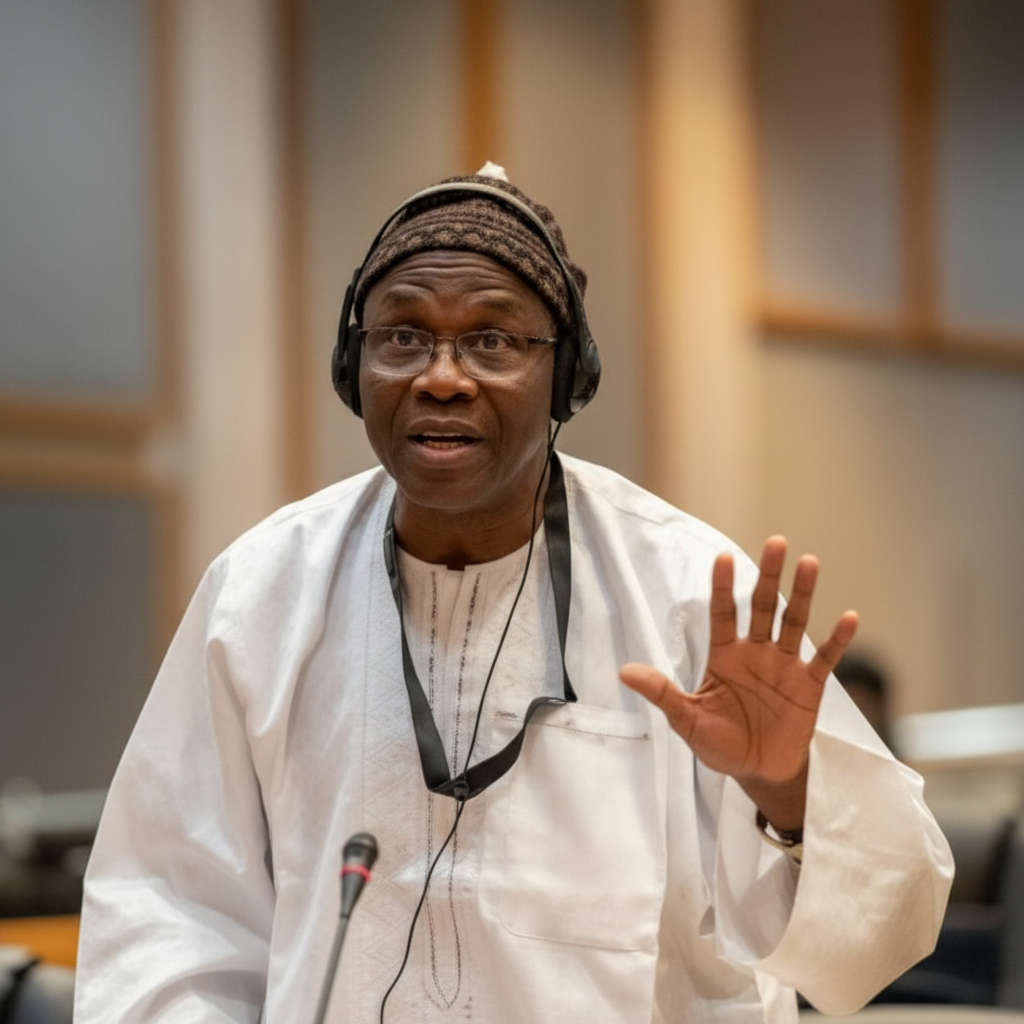
A Gambian lawmaker representing Wuli East, Hon. Swaibou Touray, has stated that European nations owe former colonies more than US$7 trillion in reparations for slavery and colonialism.
Hon. Touray made the remarks during a session of the National Assembly while presenting figures previously cited in a 2025 parliamentary session by Hon. José Manteigas Gabriel, who served as Rapporteur of the Committee on Justice and Human Rights and is also a member of the Pan-African Parliament (PAP).
Speaking during discussions on the African Union’s (AU) 2025 theme, Touray said the theme represents a critical milestone in Africa’s pursuit of justice, historical redress, and sustainable development. He noted that several presentations at the AU level focused on the theme, including the consideration and adoption of a draft workshop report.
According to him, the discussions underscored the urgency of addressing historical injustices and advancing reparative justice as a means of restoring dignity and promoting equity across the continent.
Referencing a study cited by Hon. Gabriel, Touray said a 2019 report by the United Nations Economic Commission for Africa (UNECA) estimated that Africa loses approximately US$89 billion annually to illicit financial flows – a modern consequence of historical economic exploitation.
He further noted that Hon. Gabriel highlighted findings from the Caribbean Community (CARICOM), which estimated that European nations owe former colonies more than US$7 trillion in reparations for slavery and colonialism.
The AU theme, Touray said, was described by participants as “timely and critical” in the ongoing struggle for social justice, equity, and historical recognition on the African continent.
He added that the global call for reparations has gained significant momentum, with movements advocating for the restitution of stolen wealth, natural resources, and cultural heritage linked to the transatlantic slave trade, as well as acknowledgment of the lasting impacts of colonialism and systemic racism.
Touray emphasized that many speakers during the debate stressed that reparations should not be viewed solely as financial compensation, but as a broader process of acknowledgment, accountability, and repair for centuries of exploitation.
He noted that the effects of slavery and colonial rule remain visible today through disparities in economic development, health outcomes, access to education, and cultural heritage preservation, stressing that addressing these injustices is essential to healing African societies and the diaspora.
The report presented by Hon. Touray was subsequently adopted by the National Assembly without debate.
While the US$7 trillion figure was cited to illustrate the scale of historical exploitation and economic loss, it forms part of a broader, ongoing global discussion on reparatory justice and does not represent a formally agreed or specific financial demand by the African Union at this stage.
Bakay Touray Jr



No Comments
Join the DiscussionBe the first to join the discussion!