By Bakary Touray Jr.
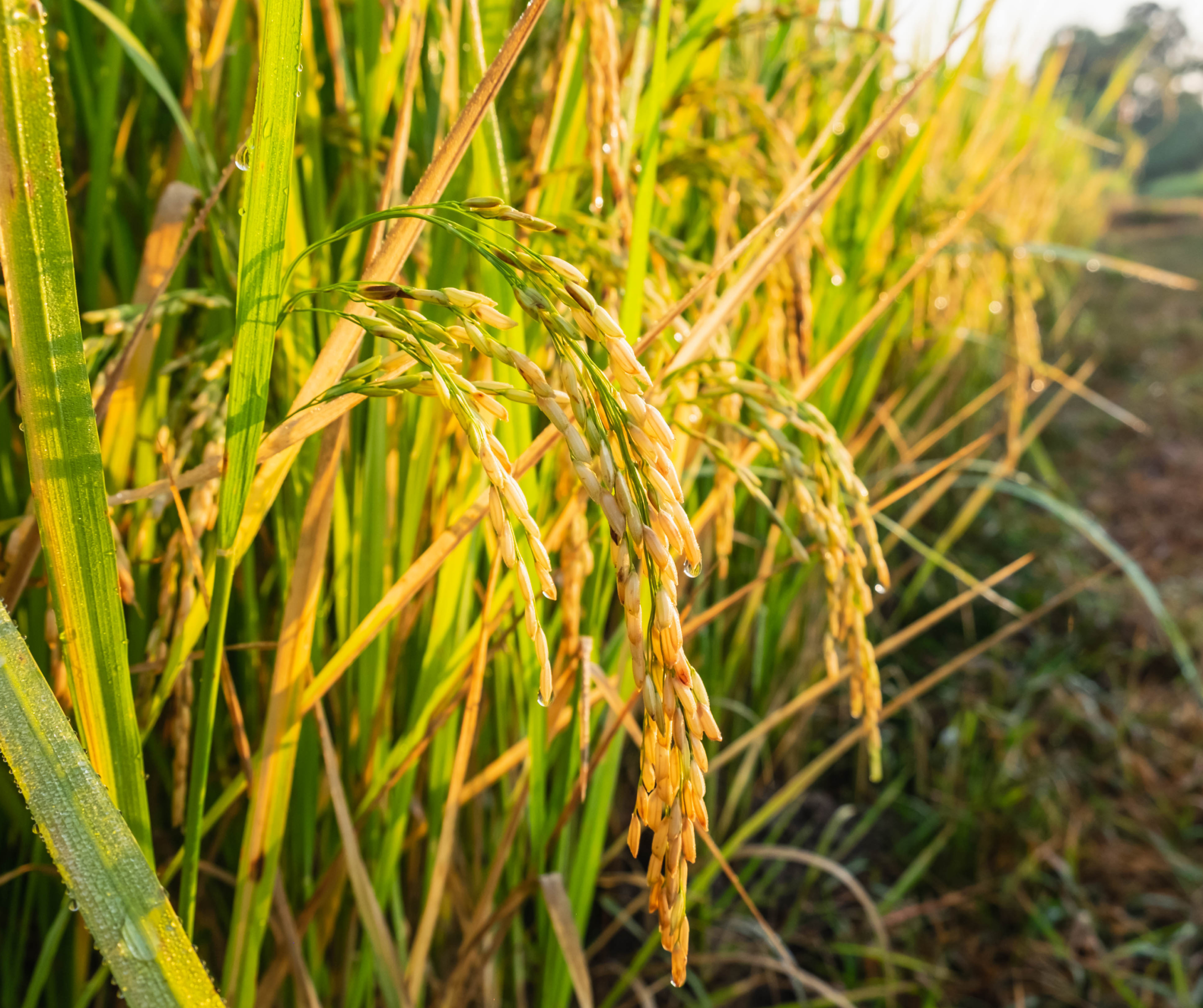
The Gambian government has advanced its Regional West Africa Resilient Rice Value Chain Development Program (REWARD), aimed at enhancing local rice production and processing competitiveness, by procuring and preparing 3,002 hectares for cultivation.
During the preliminary design phase for land development and road construction, Director of Agriculture Musa Humma emphasized that REWARD focuses exclusively on rice. “When the country achieves self-sufficiency in rice, other agricultural goals will follow. Its sole commodity is rice along the value chain,” he said.
The program plans to construct 21 km of access and feeder roads to support climate-resilient farming, strengthen seed systems, promote mechanization, improve post-harvest management, expand market access, and provide financing for smallholder farmers.
Humma highlighted that surveying and designing land and road infrastructure are critical for building a sustainable, climate-resilient irrigation system and improving market access for rural communities. He stressed the importance of inclusive planning, particularly engaging farmers, who are the main beneficiaries of the project.
Representing the FAO, Dr. Mustapha Ceesay underscored the organization’s continued support for rice development in The Gambia. He cited FAO’s involvement in the National Rice Development Strategy Phase 1 and in preparing the REWARD project document at the regional level.
“Rice is vital to The Gambia, but progress has been limited in recent years,” Dr. Ceesay said. “Past initiatives, such as Jahallyipachar, produced surplus rice for commercial sale. Today, planning must be bottom-up, involving farmers directly rather than imposed from the top.”
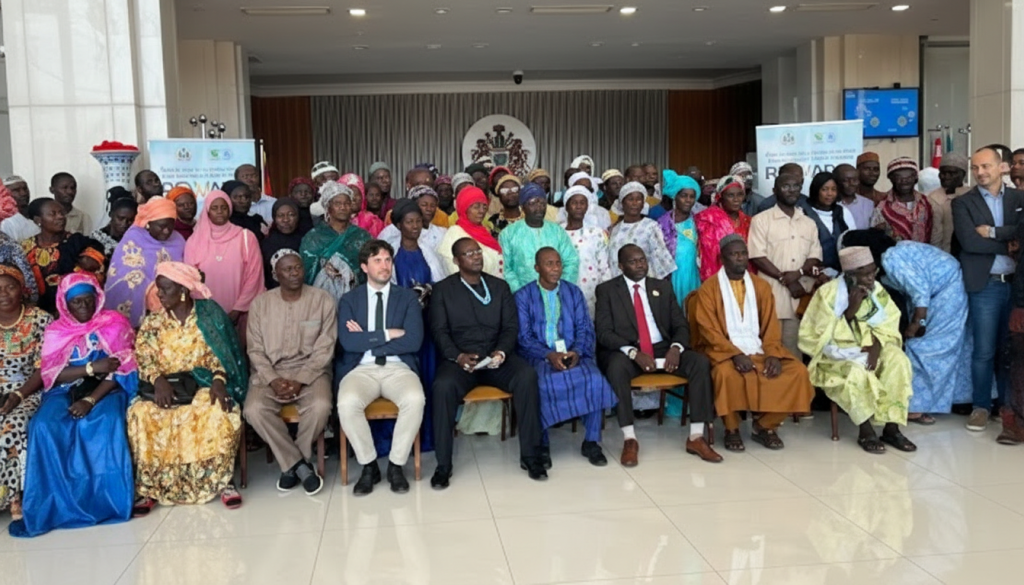
The validation workshop also featured contributions from Ebrima Ceesay, Social Development and Safeguard Officer, and Paolo Benetazzo, lead consultant with HydroNOVA.



No Comments
Join the DiscussionBe the first to join the discussion!