

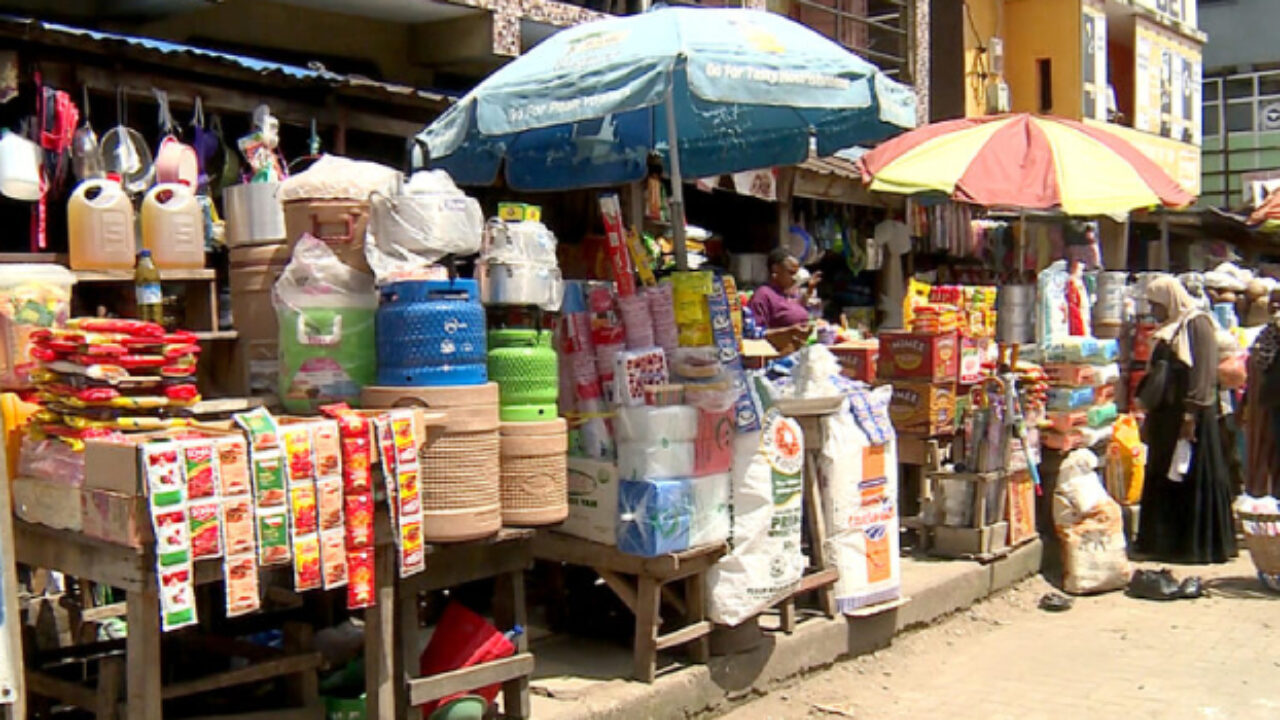
Nigeria’s inflation rate continued its downward trend in January 2026, easing to 15.1% from 15.15% in December 2025, according to data from the National Bureau of Statistics (NBS).
The slight decline signals a moderation in price pressures, with the statistics agency noting a 0.05 percentage-point drop in headline inflation.
On a year-on-year basis, inflation fell sharply by 12.51 percentage points, down from 27.61% in January 2025, highlighting improving macroeconomic price conditions.
Food inflation saw the biggest slowdown, falling from 29.63% in December 2025 to 8.89%, driven by lower prices of key staples such as maize, beans, palm oil, cassava, and beef.
State-level analysis revealed regional disparities: Kogi and Benue in the North-Central region, and Adamawa in the North-East recorded the highest food inflation, while Ebonyi, Abia, and Imo in the South-East posted the lowest.
The latest figures suggest easing inflation pressures early in 2026, with falling food prices providing cautious relief for consumers and policymakers.



No Comments
Join the DiscussionBe the first to join the discussion!