

In the tense hours following the February 24, 1966 coup that overthrew his government, Dr. Kwame Nkrumah sat beside his personal cinematographer, Rev. Dr. Chris Tsui Hesse, aboard an aircraft departing Beijing. While coup plotters in Accra were ordering his books burned and his films destroyed, Nkrumah did not speak in defeat. Instead, as Hesse later recounted, the greatest Black political prophet offered a calm, resolute vision of the road ahead:
“My son, what has happened in Ghana is more than a coup and is the beginning of more, and the whole of the African continent will sink into the soil. But out of the ashes, a new Africa will grow.”
He urged Hesse not to be afraid and to keep filming, insisting that those records would one day tell the true story of Africa’s liberation.
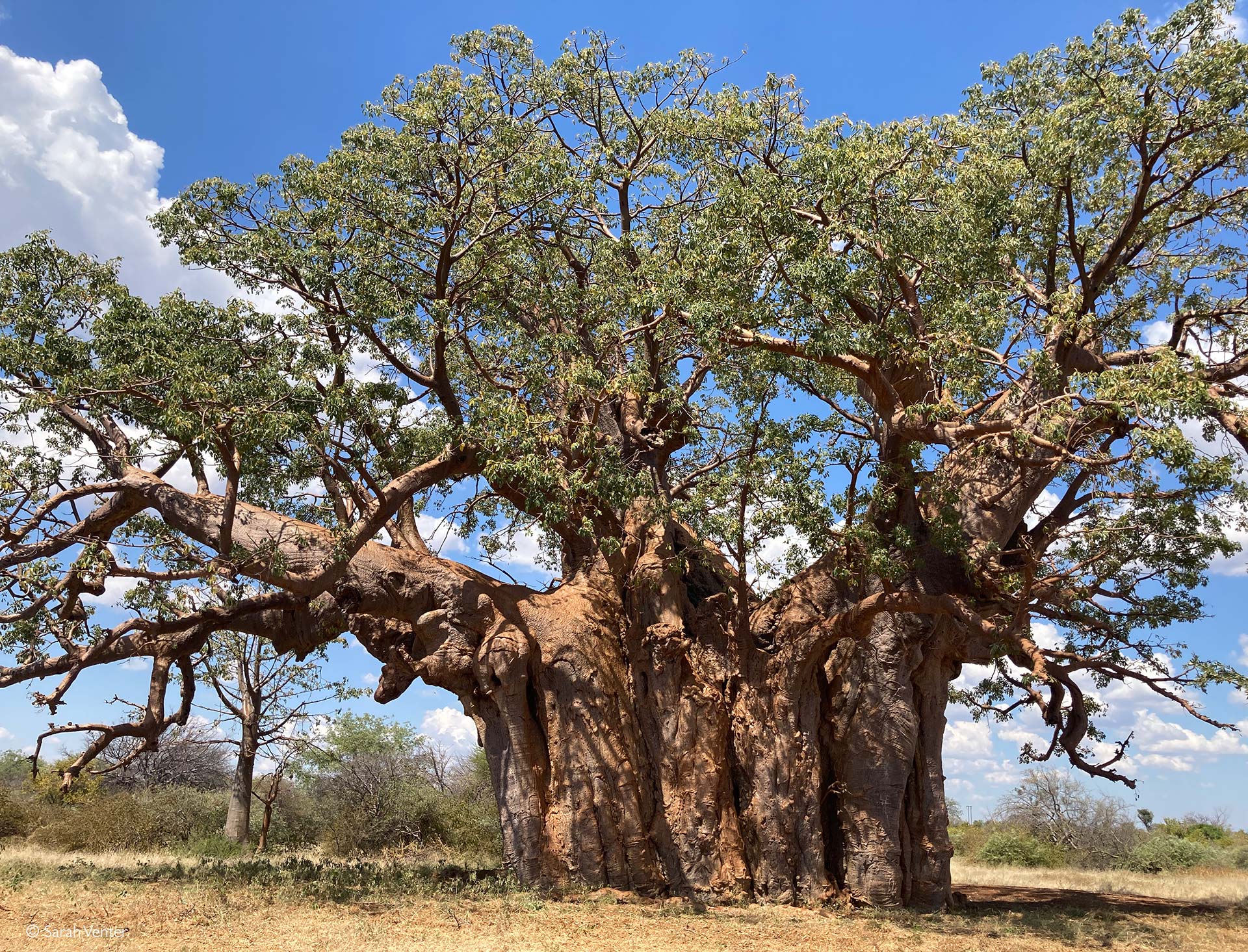
For decades, Africa resembled a giant baobab tree struck by lightning, scorched on the outside, stripped of its branches by coups, Cold War proxy battles, and neo-colonial extraction. Yet beneath the charred bark, the roots were drinking deep, gathering strength for a season of unstoppable rebirth. Today, sixty years after that conversation in the skies, that season has arrived. A new Africa is being built, an Africa that no longer produces puppet leaders taking commands from European capitals, an Africa uprooting kleptocracy, and an Africa placing nationalism, patriotism, and the progress of its own people above all else.
From the Atlantic coast to the Red Sea, and from the Sahara to the Cape, the continent is breaking the old chains of exploitation region by region, and turning sovereignty into measurable economic power.
West Africa: Breaking the Chains of Extraction and Puppet Rule
For generations, West Africa was treated like an open-air quarry, a bakery where the world took the finest flour and left the bakers fighting over crumbs. Today, the bakers have locked the doors and claimed ownership of the oven.
- Burkina Faso, Mali, and Niger (The Sahel Awakening): Like a prisoner who realizes the iron chains were never locked, the nations of the Alliance of Sahel States (AES) stood up, expelled foreign military troops, and dismantled decades of French neo-colonial control. Together, the three nations produce roughly 230 metric tons of gold annually, valued at over $30 billion, and are building an integrated sovereign gold pipeline from mine to domestic refinery. Burkina Faso nationalized foreign-owned gold mines and built its first domestic refinery; Niger revoked French nuclear giant Orano’s uranium licenses and boosted state mining revenues past CFA 18 billion in 2025, propelling IMF-projected GDP growth to 6.7% in 2026; and Mali rewrote its mining code to recover hundreds of millions of dollars from multinational firms while posting 5.6% real GDP growth.
- Ghana: In Nkrumah’s homeland, the era of shipping raw dirt abroad only to buy back finished jewelry at ten times the price is ending. Through sweeping Minerals Commission reforms reserving surface mining for 100% Ghanaian ownership, state-backed gold trading via the Ghana Gold Board, and a decisive roadmap to end raw mineral exports by 2030, Ghana is ensuring its gold, lithium, and bauxite build Ghanaian industry.
- Senegal: Moving swiftly to audit and renegotiate oil, gas, and fishing agreements, Senegal’s leadership has demonstrated that democratic renewal goes hand in hand with economic sovereignty, refusing to let foreign fleets empty its waters or multinational corporations siphon off its offshore energy wealth without fair national returns.
- Guinea: Sitting atop the world’s richest bauxite reserves, Guinea has refused to remain a mere pit for overseas aluminium smelters, tying mining concessions directly to domestic alumina refining on Guinean soil.
East Africa: Guarding the Hearth and Refining Wealth at Home
East Africa is acting like a master craftsman who refuses to sell raw timber for pennies, insisting instead on carving the furniture at home so the community keeps the value. Driving the continent’s fastest regional expansion, East Africa is projected by the African Development Bank to grow at 5.9% in 2026, nearly double the global average.
- Kenya: Taking bold steps against resource stripping, Kenya instituted a ban on the export of unprocessed minerals alongside plans to construct domestic gold refineries under Central Bank oversight, ensuring precious metals add value locally before ever crossing a border.
- Tanzania: Building on a proud tradition of self-reliance, Tanzania has tightened state equity stakes in major mining projects, enforced strict local content laws, and required foreign firms to process minerals domestically and partner fairly with the Tanzanian treasury.
- Uganda: Defying intense Western diplomatic and financial pressure over its energy sector, Uganda has pressed forward with developing its oil resources and East African Crude Oil Pipeline on its own sovereign terms, prioritizing national industrialization and regional energy security over foreign lectures.
Southern Africa: Reclaiming the Earth’s Strategic Treasure
Southern Africa holds the minerals powering the global green energy transition. For too long, the region was treated like a well where outsiders drew water without ever paying to maintain the bucket. That era is over.
- Zimbabwe: Leading the charge in critical minerals, Zimbabwe banned the export of raw lithium and unprocessed ores, forcing international conglomerates to invest in local processing plants rather than shipping Zimbabwean soil straight to overseas battery factories.
- Namibia: Following suit with uncompromising clarity, Namibia prohibited the export of unprocessed lithium and rare earth minerals, asserting that the wealth beneath Namibian soil must first create jobs, factories, and prosperity for Namibians.
- Botswana: Setting a continental benchmark in diamond sovereignty, Botswana stood firm during tough negotiations with De Beers to secure a dramatically higher share of rough diamond production for its state-owned Okavango Diamond Company, proving that African nations can look global monopolies in the eye and win.
- South Africa: Continuing to challenge unfair global financial and trade architectures, South Africa has championed African industrialization, local beneficiation of platinum and manganese, and bold moral leadership on the world stage that refuses to bow to Western double standards.
Central Africa: Taming the Giant’s Wealth for Its Own Children
Central Africa has long been compared to a rich man sleeping on a mat of gold while begging for bread, blessed with the Congo Basin, cobalt, copper, and timber, yet bled dry by foreign-backed instability and kleptocracy. Today, the sleeping giant is wide awake.
- Democratic Republic of the Congo (DRC): Producing roughly 75% of the world’s cobalt essential for modern technology, the DRC has aggressively moved to review lopsided mining contracts, clamp down on illegal mineral smuggling, and partner with Zambia to build domestic battery-precursor manufacturing so Congolese youth benefit from the resources soaked in their ancestors’ sweat.
- Gabon: Breaking away from decades of entrenched dynastic kleptocracy and foreign-aligned complacency, Gabon’s transitional leadership has moved to reclaim national control over strategic sectors, purchasing back key oil and telecom assets into state hands and demanding greater domestic processing of its manganese and timber.
North Africa: Turning the Tide of Energy and Sovereign Diplomacy
Across the Sahara, North African nations are rewriting the rules of energy diplomacy and industrial self-determination, acting not as a backyard for Europe, but as sovereign powerhouses dictating terms of equal partnership.
- Algeria: Fiercely protective of its revolutionary sovereignty, Algeria has leveraged its vast natural gas and energy resources to assert independent foreign policy, expand domestic petrochemicals, and insist on balanced, mutually respectful trade agreements rather than one-sided European dictates.
- Egypt and Morocco: By investing heavily in domestic manufacturing, renewable energy mega-projects, fertilizer sovereignty, and strategic port infrastructure, both nations have positioned themselves as industrial hubs that process African resources on African soil rather than serving as mere transit points for foreign powers.
The Economic Dividend: How Liberation Multiplies Africa’s Wealth
Political sovereignty is not merely a matter of pride, it is the engine of massive economic transformation. When Africa stops exporting raw dirt and starts refining its own wealth, trading with itself, and plugging illicit financial leaks, the numbers tell a staggering story:
- Capturing a $16 Trillion Mineral Opportunity: Africa holds roughly 30% of the world’s proven critical minerals, worth an estimated $16 trillion over the next 25 years, yet historically captured only about 40% of that value because ores were shipped abroad raw. According to the World Economic Forum, processing and refining minerals locally adds a 15% to 30% price premium at each stage, capable of lifting continental GDP by 12% and generating 2.3 million new jobs in clean-energy supply chains alone.
- Industrializing Through Local Beneficiation: Research from Afreximbank’s African Trade and Economic Outlook shows that expanding domestic mineral processing adds 4.3 percentage points to GDP growth, creates over 412,000 direct industrial jobs, and generates $120 billion in fresh fiscal revenue, money that builds African schools, hospitals, and railways instead of subsidizing foreign economies.
- Halting the $89 Billion Bleed: Every year, Africa loses an estimated $89 billion to illicit financial flows, tax evasion, and multinational profit-shifting, alongside hundreds of billions more through unfair tax holidays. Uprooting kleptocracy and enforcing fair mining and energy codes unlocks up to $1.43 trillion in additional domestic resources, according to the African Development Bank, turning Africa from a borrower begging for foreign loans into a self-financing powerhouse.
- Compounding Growth Toward Doubling and Quadrupling GDP: As continental integration accelerates under the African Continental Free Trade Area (AfCFTA), intra-African trade is projected to jump by 45%, boosting agro-processing exports by 42.3% and adding $650 billion to annual output. Sustained at 6% to 7%+ annual growth, the pace already being reached by resource-reclaiming economies like Niger and East Africa’s growth leaders, the Rule of 72 proves that Africa’s economy will double roughly every 10 to 12 years and quadruple within a single generation, lifting hundreds of millions out of poverty.
A Prophecy Realized and Forever Standing
A seed buried in dark soil does not die; it breaks open so a forest can rise. What looked like the burial of African liberation in February 1966 was, in truth, the planting of a continental awakening.
Dr. Kwame Nkrumah knew that those who profited exponentially from puppet regimes, kleptocrats, and unequal treaties would fight tooth and nail, through sanctions, financial sabotage, and propaganda, to stop this new Africa from standing. Yet their efforts are like trying to hold back the ocean with a broom.
Every corrupt network uprooted, every foreign base closed, every raw mineral export banned, and every patriotic leader who places the national interest and the welfare of their people above European command is living proof of Nkrumah’s foresight. As Rev. Chris Hesse kept his camera rolling in 1966 to preserve the dawn of our struggle, today’s generation is witnessing its glorious noon. The new Africa foreseen by the greatest Black political prophet, Dr. Kwame Nkrumah, has been built, it stands forever tall, and its triumph is unstoppable.



No Comments
Join the DiscussionBe the first to join the discussion!