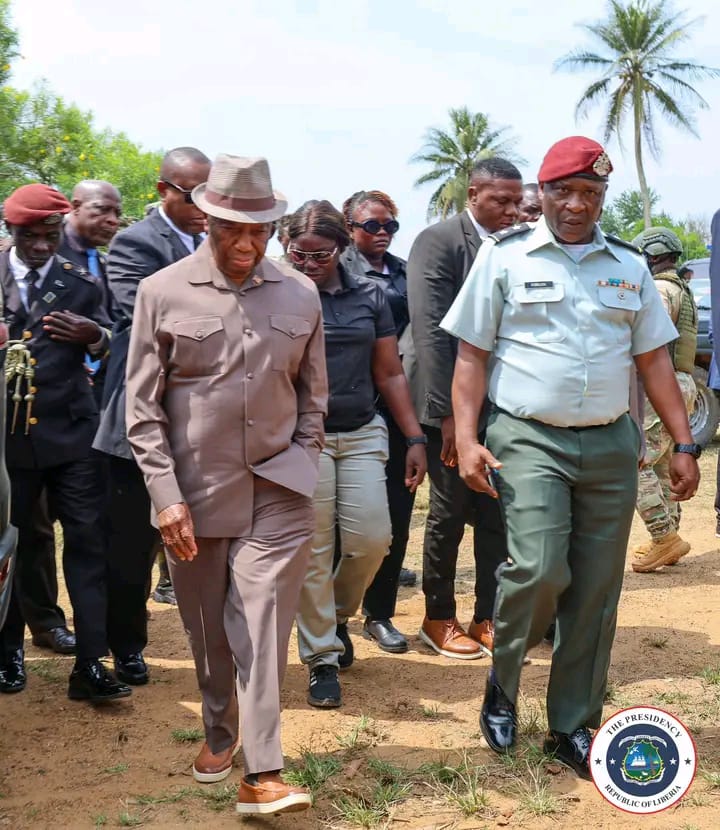
President Joseph Nyuma Boakai has defended the government’s position amid an ongoing land dispute surrounding the 72nd Barracks as tensions mount in several parts of Liberia.
Addressing the issue, the president said:
“It is the army’s place; God is not making new land. That place is for the army and the army is going to take it back,” the president said.
Government officials have also stressed that reclaiming state land is necessary to protect national assets while ensuring the Armed Forces of Liberia have adequate facilities for soldiers and recruits.
Meanwhile, Montserrado County Senator Darius Dillon has raised concerns about the growing number of land conflicts across Liberia. The senator emphasised that the government must handle land disputes carefully to avoid violence and protect the rights of ordinary citizens.
“Land disputes are becoming a serious national concern, and if the government does not act responsibly and transparently, these conflicts could escalate into violence,” Senator Dillon warned.
He further stressed the importance of due process and dialogue in resolving land issues. He urged for the rights of citizens to always be respected, added that every action taken by the government should follow the rule of law.
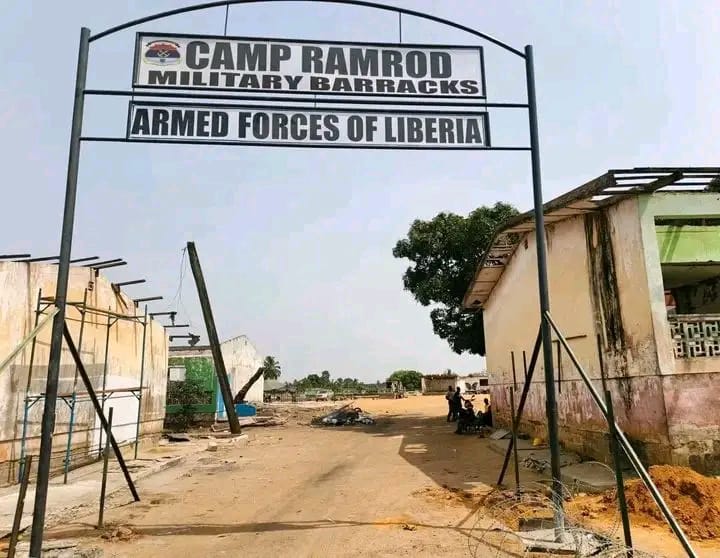
How the Longstanding Land Ownership Conflicts Escalated
Tension is reportedly mounting in several parts of Liberia following a growing land dispute between residents of Bolloh and Jlao Statutory Districts in Grand Kru County, with reports that unknown gunmen recently fired live bullets, creating fear among residents.
On Saturday, March 7, unidentified armed men allegedly crossed from the Bolloh Kaykpo and Poe communities to intimidate residents amid the ongoing land conflict.
Residents say the situation worsened early Sunday morning when the gunmen allegedly discharged live rounds in the area, forcing many community members to remain indoors out of fear for their safety.
According to local residents, the conflict is believed to be linked to ongoing mining activities in the Bolloh and Jlao Statutory Districts, where several individuals are reportedly exploring for gold.
Some community members have accused Grand Kru County Land Administrator David Togba of influencing powerful gold miners operating in the disputed areas, a claim that has further heightened tensions among the communities.
Meanwhile, Grand Kru County Administrative Officer Alphonso D. N. Teah is calling for calm while authorities work to address the situation.
Teah said the county administration and security agencies are engaging community leaders in an effort to restore order and prevent the conflict from escalating further.
Growing Pattern of Land Disputes in Liberia
The situation in Grand Kru reflects a broader challenge facing Liberia, where land conflicts have become increasingly common in both rural and urban communities.
Experts say weak land governance systems, unclear boundaries and the lack of formal land titles continue to fuel disputes across the country.
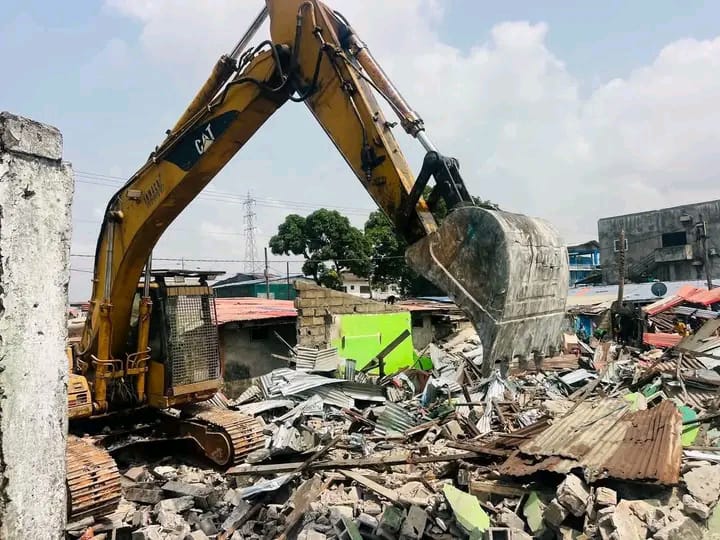
Recent tensions in Monrovia around the 72nd Military Barracks and communities such as Saytown have highlighted the complexity of land ownership issues.
The government’s attempt to reclaim state-owned property from illegal occupants has triggered protests and debates over property rights and due process.
Regional Land Dispute at Liberia-Guinea Border
Land tensions are not only occurring within Liberia but are also being reported along the Liberia-Guinea border.
Residents of Lofa County are accusing a group of armed Guinean soldiers of allegedly crossing into Liberian territory and attempting to claim portions of land along the Liberia-Guinea border.
According to locals, the situation has raised serious concern among communities near the border area.
Residents further alleged that the soldiers are claiming about 1,000 kilometres of Liberian land, including areas they say fall within Foya District.
They claim the incident began on March 2, 2026, when workers of BK Enterprise were reportedly held at gunpoint at the Sorluma border crossing.
Videos shared with Verity News appear to show growing tension in the area as the situation continues to develop.
Possible Solutions to Liberia’s Land Conflict Crisis
Experts and civil society organisations say addressing Liberia’s persistent land disputes will require strong institutional reforms and community engagement.
Key recommendations include:
- Strengthening the work of the Liberia Land Authority to ensure proper land registration, boundary mapping and enforcement of land laws.
- Promoting mediation, dialogue and traditional conflict resolution mechanisms before disputes escalate into violence.
- Enforcing transparent mining and concession agreements to prevent conflicts in resource-rich communities.
- Increasing public education on land ownership laws and dispute resolution processes so citizens understand their legal rights.
- Deploying security and mediation teams quickly in areas where tensions are rising to prevent violence.
Conclusion
Analysts warn that without a comprehensive national strategy, land disputes could continue to threaten peace, security and development across Liberia.
As conflicts emerge in counties such as Grand Kru, Montserrado and along international borders like the Liberia–Guinea frontier, the need for coordinated action by government institutions, traditional leaders and local communities has become more urgent.
Experts say peaceful dialogue, clear land documentation and stronger governance will be critical to resolving long-standing disputes and preventing future conflicts across the country.



No Comments
Join the DiscussionBe the first to join the discussion!