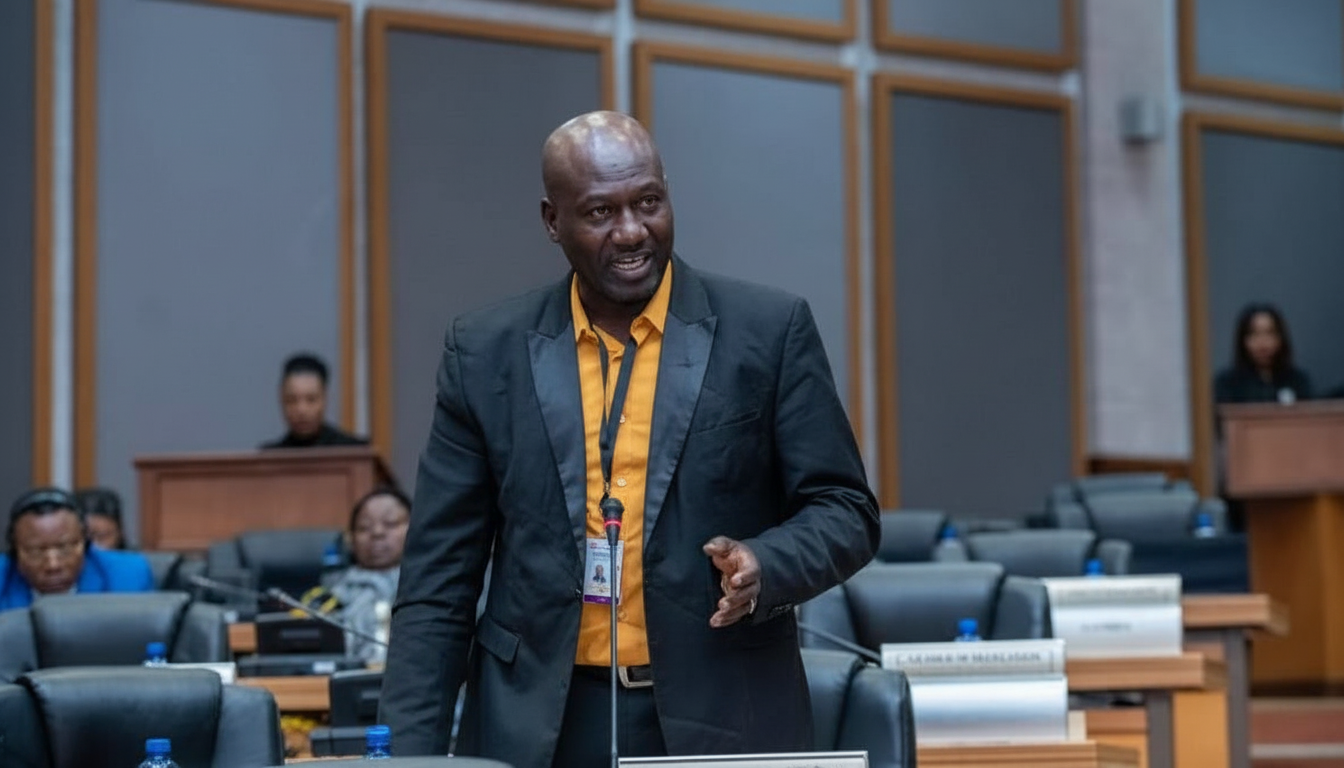
Gambian lawmakers have called for the restitution of cultural artifacts removed from several communities during the colonial era without consent or due process.
The demand emerged during a parliamentary debate on a motion titled “The Restitution of Gambian Cultural Artifacts and Sacred Heritage Removed During Colonial Rule, with Special Attention to Salikenni Village.”
Presenting the motion, the member for Baddibu Central, Sulayman Saho, said the artifacts represent important symbols of the spiritual heritage, communal memory, and cultural sovereignty of the Gambian people.
Saho noted that many of the items are currently held in museums, archives, and private collections in the United Kingdom, but remain less publicly documented compared with other well-known African collections.
According to the lawmaker, several artifacts were seized during colonial military campaigns and administrative actions in the early 20th century.
He referred to an incident in 1919 when Musa Molloh, the King of Fulladu, was arrested and exiled to Sierra Leone. During the episode, Saho said, the king’s collection of ritual objects, weapons, and other ceremonial items was confiscated, with some reportedly ending up in institutions such as the British Museum or in private collections.
The lawmaker also cited the case of Foday Sillah’s war drum, known locally as the tabala, which he said was taken to the United Kingdom in 1893 after the Emir of Kombo was deposed and exiled to Saint-Louis in present-day Senegal.
He further noted that British soldiers and colonial officials looted cultural objects from the communities of Sankandi and Batteling in 1901.
Saho said the community of Salikenni in the North Bank Region is among those most affected. According to elders and oral historians from the village, sacred items, religious regalia, and traditional instruments were taken during colonial military and administrative operations.
“One notable example is the traditional drum known locally as the Tabulo, which was reportedly taken from the Baddibu area and is currently displayed in a museum in the United Kingdom,” he said.
Saho argued that the continued possession and exhibition of such items abroad represents an ongoing act of cultural dispossession and historical injustice.
He added that restitution should be considered a matter of cultural rights under the country’s 1996 Constitution of The Gambia.
“The citizens of our republic have the cultural right to access the handiwork of their ancestors preserved in these cultural goods found abroad for education, research and national heritage,” he said. “These objects form part of our national patrimony.”
The motion calls on the UK government, its High Commission in The Gambia, and relevant institutions to initiate the immediate and unconditional return of artifacts taken during the colonial period. It also seeks reparations for the burning of Salikenni village, which Saho said occurred without evidence of firearms or ammunition in the community.
Several lawmakers supported the motion during the debate, arguing that the removal of cultural artifacts has deprived younger generations of an opportunity to learn about their heritage.



No Comments
Join the DiscussionBe the first to join the discussion!