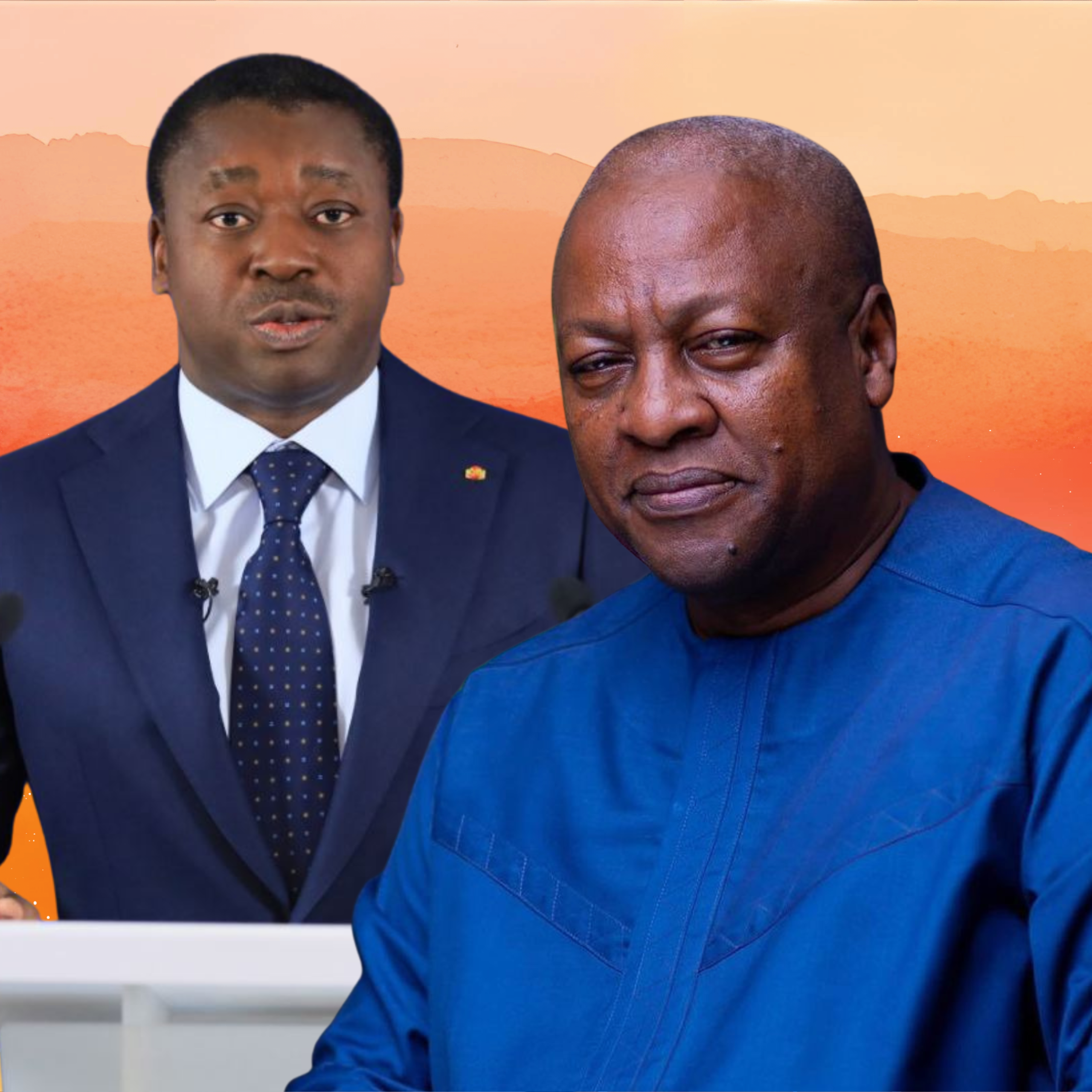
Ghana has formally notified Togo of its decision to initiate international arbitration in a bid to resolve a long-standing maritime boundary dispute between the two neighbouring countries.
In a statement issued on Friday, the Presidency said the move follows nearly a decade of unsuccessful efforts to reach a mutually acceptable agreement, despite sustained diplomatic engagement over the past eight years.
The government announced that it will pursue arbitration under the United Nations Convention on the Law of the Sea (UNCLOS), the global legal framework governing maritime rights and responsibilities.
According to the statement, resorting to international legal mechanisms is intended to ensure a peaceful resolution in line with international law, while preserving the spirit of good neighbourliness and continued cooperation between Accra and Lomé.
“Ghana has taken this step to avoid an escalation of incidents that have created tensions between some of our institutions and to promote an amicable resolution, thereby contributing to the continued good relations between our two countries,” the statement said.
At the time of filing this report, the Togolese government had not issued an official response.
The dispute dates back to late 2017 and early 2018, when Togolese authorities halted two Ghanaian seismic survey vessels conducting deep-sea oil and gas exploration.
At the heart of the disagreement is the absence of a formally delimited and internationally recognised maritime boundary. Ghana maintains that a traditionally respected boundary line exists, while Togo argues that no official delimitation has ever been established.
The differing interpretations have resulted in operational tensions at sea, with each country asserting jurisdiction over overlapping maritime areas.



1 Comment
Join the Discussion[…] Ghana and Togo are both members of the Economic Community of West African States, which established the ECOWAS Trade Liberalisation Scheme to permit duty-free movement of qualifying goods between member states. Under the scheme, unprocessed goods and traditional handicrafts circulate free of import duties and quantitative restrictions; industrial products are eligible for preferential treatment if they meet ECOWAS rules of origin. The scheme has been operational since the 1990s, revised in 2018 to simplify origin procedures. […]